German savers earned over €8 billion in Tagesgeld interest during 2025—yet nearly 40% of households still park their emergency funds in accounts paying below 1%. That’s money left on the table; a gap that widens every month you delay switching.
The European Central Bank’s rate decisions throughout 2025-2026 have created a volatile landscape where the difference between the best and worst Tagesgeldkonten can exceed 2 percentage points. For a €30,000 emergency fund, that’s roughly €600 per year—enough to cover a weekend getaway or a significant chunk of your annual utility bills. Passend dazu: World ETFs Compared: Top Picks for 2026.
Quick Answer: The best Tagesgeldkonten in 2026 offer interest rates between 3.0% and 3.75% for new customers, with established banks like ING, Consorsbank, and Trade Republic leading the market. Prioritize accounts with no hidden fees, German deposit protection, and rates that remain competitive after promotional periods end.
What You’ll Learn
- Exactly what makes a Tagesgeldkonto different from other savings vehicles—and why it matters for your 2026 financial strategy
- The three critical factors that separate top-tier accounts from mediocre ones
- How ECB policy shifts in 2025-2026 directly impact your interest earnings
- A practical framework for evaluating online banking features and customer service quality
Introduction to Tagesgeldkonten
A Tagesgeldkonto—literally „daily money account“—is Germany’s most popular flexible savings product. Unlike fixed-term deposits (Festgeld), your money remains accessible at all times without penalties. Unlike checking accounts (Girokonten), it actually pays meaningful interest.
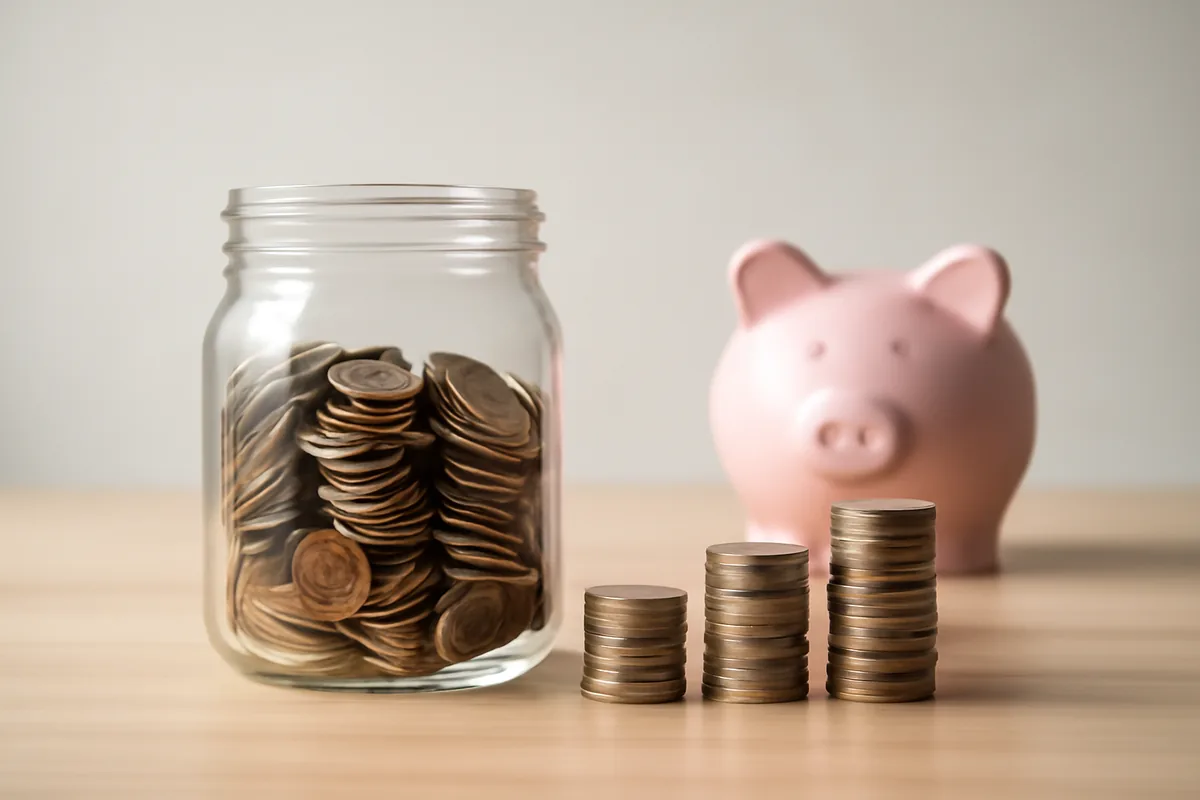
Think of it as the middle ground: better returns than letting cash sit idle, but none of the lock-in periods that come with bonds or term deposits. According to Deutsche Bundesbank statistics, German households held approximately €620 billion in Tagesgeld accounts by late 2025—a clear indicator of how central this product has become to everyday financial planning.
Why 2026 Demands a Fresh Look at Your Tagesgeldkonto
The interest rate environment has shifted dramatically. After years of near-zero returns, the ECB’s rate hikes between 2022-2024 pushed Tagesgeld rates to levels not seen in over a decade. But 2025-2026 brought partial rate reductions as inflation cooled across the Eurozone.
This creates urgency. Banks adjust their Tagesgeld offerings with varying speed; some institutions slashed rates within weeks of ECB announcements, while others maintained promotional rates longer to attract new customers. The gap between proactive and passive savers has rarely been wider.
Core Benefits of Using a Tagesgeldkonto
The advantages are straightforward but often underappreciated:
- Full liquidity: Access your funds within 1-2 business days, no questions asked
- Deposit protection: German accounts are covered by the Einlagensicherung up to €100,000 per person, per bank
- Zero risk to principal: Unlike stocks or ETFs, your deposited amount cannot decrease
- No fees: Reputable Tagesgeldkonten charge nothing for account maintenance or transactions
- Simplicity: No complex paperwork; most accounts open online in under 15 minutes
These features make Tagesgeldkonten ideal for emergency funds, short-term savings goals, and parking cash between investments.
How to Choose the Best Tagesgeldkonto in 2026
Not all Tagesgeld accounts deserve your money. The differences lie in details that many comparison sites gloss over.

Photo by Kindel Media on Pexels
Interest Rates: Beyond the Headline Number
Banks advertise eye-catching rates—sometimes 3.5% or higher—but the fine print matters. Watch for:
| Factor | What to Check | Red Flag |
|---|---|---|
| Promotional period | How long does the advertised rate last? | Rates valid only for 3-6 months, then dropping to 1% or less |
| Balance caps | Is the rate limited to a maximum amount? | 3.5% only on the first €50,000; 0.5% above that |
| New customer restriction | Are existing customers excluded? | Rate only for „Neukunden“ who haven’t held an account in 12+ months |
As reported by Statista’s 2026 German Banking Report, the average promotional period for top Tagesgeld rates shortened from 6 months in 2024 to just 4 months in 2026—banks are becoming less generous as rate pressure mounts.
Understanding Central Bank Influence
The ECB’s main refinancing rate directly shapes what banks can afford to pay depositors. When the ECB cuts rates, Tagesgeld returns typically follow within 4-8 weeks. In 2025-2026, rates have fluctuated between 3.00% and 4.00% at the ECB level, creating corresponding movement in consumer products.
Smart savers monitor ECB announcements—published after each Governing Council meeting—to anticipate changes. If a rate cut appears imminent, locking in a current promotional rate becomes more attractive.
Evaluating Customer Service and Digital Features
Interest rates matter most, but don’t ignore the user experience. Key questions:
- Mobile app quality: Can you check balances, set up transfers, and manage alerts easily?
- Customer support hours: Is help available evenings and weekends, or only during business hours?
- Integration with your Girokonto: How quickly do transfers process between your checking and savings?
- Transparency: Does the bank notify you before rate changes, or do you discover them after the fact?
Banks like ING and DKB have invested heavily in their digital platforms; smaller institutions may offer marginally higher rates but frustrate users with outdated interfaces. For an account you’ll access regularly, this trade-off deserves consideration.
Top Tagesgeldkonten Providers for 2026
The German Tagesgeld market in 2026 looks markedly different from just two years ago. Established players have had to sharpen their offers, while a wave of digital-first banks—many backed by pan-European licenses—have entered with aggressive introductory rates. The result is more competition, better yields, and a landscape that rewards those who shop around.
Traditional Banks Holding Their Ground
Among Germany’s established institutions, ING Deutschland continues to lead with consistent service quality. Their Tagesgeld Extra-Konto offers 2.75% p.a. for new customers in the first six months, dropping to 1.50% afterward. It’s not the highest rate, but ING’s reputation for reliable digital banking and straightforward terms keeps them competitive. Ausführlich behandeln wir das in Girokonto kostenlos 2026: Die besten Anbieter im Vergleich.
DKB—historically a favorite among cost-conscious savers—has repositioned itself following its 2025 platform overhaul. The bank now offers tiered rates: 2.25% for balances up to €50,000 and 1.25% above that threshold. This structure appeals particularly to moderate savers who don’t need to park enormous sums.
Commerzbank’s Tagesgeld offering sits at a modest 1.80% with no cap, making it suitable for larger deposits where consistency matters more than maximizing every basis point.
New Market Entrants Disrupting the Status Quo
The real action in 2026 comes from newer players.
Trade Republic—originally known for commission-free stock trading—has emerged as a serious Tagesgeld contender. Their current 3.50% rate applies to uninvested cash up to €50,000, with funds held through partner banks under German deposit protection. The trade-off: you need an active Trade Republic account, which means downloading their app and completing their onboarding process.
Scalable Capital offers a similar model at 3.25%, also leveraging their investment platform as the gateway. For existing customers of either fintech, these rates represent excellent returns on idle cash. For newcomers evaluating purely for savings purposes, the setup effort may or may not be worthwhile depending on your preferences.
C24 Bank—part of the Check24 ecosystem—has carved out a niche with 3.00% and what they call „Smart Savings,“ an automatic sweep feature that moves excess checking balance into Tagesgeld daily. Small conveniences like this matter more than you’d think.
Comparison Table of Tagesgeldkonten 2026
Numbers tell the story more clearly than paragraphs. The table below captures the essential differences among leading Tagesgeldkonten providers as of early 2026:

Photo by Jakub Żerdzicki on Unsplash
| Provider | Interest Rate | Rate Cap / Conditions | Withdrawal Terms | Monthly Fees | Customer Satisfaction* |
|---|---|---|---|---|---|
| Trade Republic | 3.50% p.a. | Up to €50,000 | Instant to linked account | €0 | 4.2/5 |
| Scalable Capital | 3.25% p.a. | Up to €100,000 | 1-2 business days | €0 | 4.0/5 |
| C24 Bank | 3.00% p.a. | No cap | Instant | €0 | 4.3/5 |
| ING Deutschland | 2.75% / 1.50% p.a. | Promo rate 6 months; no cap | Instant | €0 | 4.4/5 |
| DKB | 2.25% / 1.25% p.a. | Tiered at €50,000 | Instant | €0 | 4.1/5 |
| Commerzbank | 1.80% p.a. | No cap | 1 business day | €0 | 3.8/5 |
*Based on aggregated reviews from Trustpilot, Google Play, and App Store; data collected January 2026.
Reading Between the Lines
Raw interest rates don’t tell the whole story. Withdrawal conditions matter enormously—especially if you’re using Tagesgeld as an emergency fund rather than a pure savings vehicle.
Trade Republic and Scalable Capital require transfers to a linked external bank account, which typically settles within one to two business days. That’s fine for planned withdrawals; less ideal if you need cash immediately for an unexpected car repair or medical bill. ING and C24, by contrast, offer instant access to linked Girokonten—a meaningful difference when liquidity actually matters.
Regarding fees, none of the major providers charge monthly maintenance fees for Tagesgeld accounts in 2026. But some—particularly the fintechs—may charge for related services like premium debit cards or priority support. Always read the fine print on the broader account relationship.
Customer satisfaction scores reveal something interesting: ING and C24 consistently outperform in user experience despite offering lower rates than Trade Republic. This suggests that interface quality, customer service responsiveness, and overall trust still weigh heavily in how Germans choose where to park their savings.
Pros and Cons of Tagesgeldkonten
While Tagesgeldkonten remain a cornerstone of sound financial planning in Germany for 2026, it’s essential to weigh their benefits against their limitations. Their primary strengths lie in a combination of security, accessibility, and simplicity, making them an ideal vehicle for emergency funds and short-term savings goals.
Advantages of a Tagesgeldkonto
The core benefits are clear for any saver prioritizing capital preservation and flexibility:
- Liquidity: Your entire balance is available on a daily basis. Unlike Festgeld (fixed-term deposits), you can withdraw funds at any time without notice or penalties. This makes it the perfect place to park money for unexpected expenses, such as a car repair or medical bill.
- Security: Funds held in Tagesgeldkonten with banks in the European Union are protected by the statutory deposit insurance scheme (gesetzliche Einlagensicherung) up to €100,000 per customer, per bank. Many German institutions offer further protection through private insurance funds, often covering millions of euros. This provides peace of mind that your capital is safe.
- Flexibility: There are no fixed terms or minimum holding periods. You can add or withdraw money as your financial situation changes, making it a dynamic savings tool that adapts to your life. Most accounts can be opened online in minutes.
Disadvantages and Considerations
Despite their advantages, these accounts are not without drawbacks:
- Variable Interest Rates: The single biggest disadvantage is that interest rates are not guaranteed. Banks can, and do, change them based on market conditions, such as the European Central Bank’s policy decisions. The attractive promotional rates offered to new customers often drop to a much lower standard rate (Basiszins) after 3 to 6 months. This requires savers to stay vigilant and be prepared to switch providers to maintain a good return.
- Potential for Fees: While the vast majority of standalone Tagesgeldkonten are free (kostenlos), some banks may require you to open a linked current account (Girokonto) which might have monthly fees ranging from €5-€15. Always check the full price and service list (Preis- und Leistungsverzeichnis) before opening an account.
Tagesgeld vs. Other Savings Options in 2026
Understanding where a Tagesgeldkonto fits in your financial strategy is crucial. It is not an investment vehicle for long-term growth but rather a cash management tool.
| Feature | Tagesgeldkonto (Overnight Money) | Festgeld (Fixed-Term Deposit) | Girokonto (Current Account) | Aktien/ETFs (Stocks/ETFs) |
|---|---|---|---|---|
| Access | Daily | End of term | Daily | Daily (trading hours) |
| Interest Rate | Variable, moderate | Fixed, typically higher | Very low or 0% | No interest; potential dividends & capital gains |
| Risk | Very low (deposit insurance) | Very low (deposit insurance) | Very low (deposit insurance) | High (market risk, potential loss of capital) |
| Best For | Emergency fund, short-term goals | Goal-based savings (e.g., house deposit) | Daily transactions, bill payments | Long-term wealth growth |
Key Takeaways for 2026
- Competitive but Variable Rates: Top Tagesgeld offers in 2026 hover between 3.5% and 4.0% p.a., but these are often promotional rates for new customers that expire after a few months. Comparing the subsequent standard rate is essential.
- Safety First: The primary role of a Tagesgeldkonto is capital preservation. With EU-wide deposit insurance up to €100,000, it remains the safest place for your liquid savings.
- Ultimate Flexibility: The ability to access your money anytime without penalty is the key feature that distinguishes Tagesgeld from other savings products like Festgeld.
- Read the Fine Print: Always confirm that the account is truly free and does not require a fee-based linked Girokonto. Check the Preis- und Leistungsverzeichnis before signing up.
- Right Tool for the Job: A Tagesgeldkonto is ideal for an emergency fund of 3-6 months‘ living expenses and for short-term savings. For long-term goals like retirement, stock market investments via ETFs are better suited.
Conclusion
Choosing the right Tagesgeldkonto in 2026 is a straightforward but important financial decision. It serves as the bedrock of a stable financial plan, offering an unmatched combination of security through deposit insurance and liquidity for immediate needs. While the returns will not outpace inflation over the long term, its function is not wealth generation but capital preservation and accessibility. By carefully comparing the current promotional and standard interest rates, checking for any hidden fees, and understanding the terms, every saver can select an account that effectively protects their emergency fund while earning a modest, low-risk return. This strategic choice provides the financial stability needed to pursue higher-risk, higher-reward investments with other portions of your portfolio.